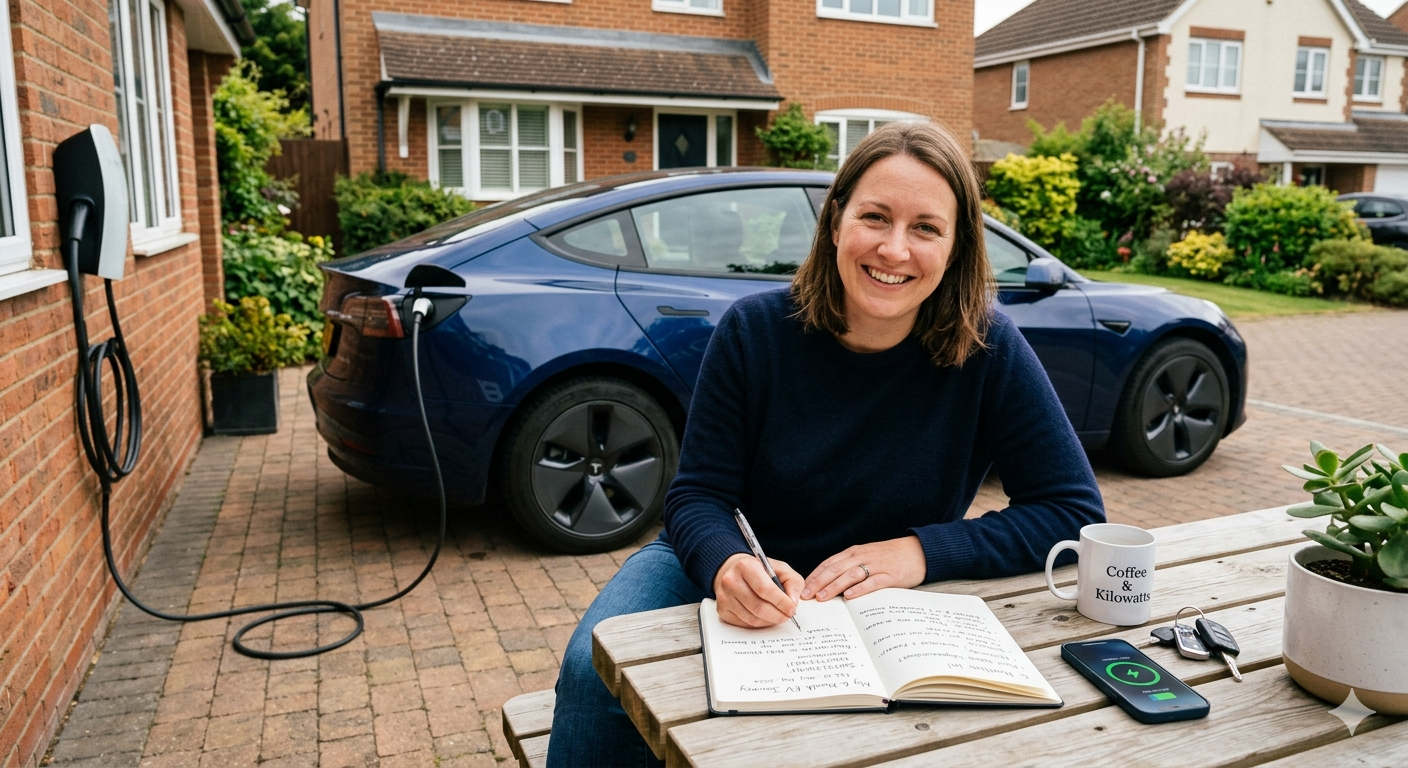



Last December, my neighbor pulled into his driveway in a shiny new electric SUV, looking pretty pleased with himself. A week later, he knocked on my door asking if I knew anyone who installs home chargers. That conversation got me thinking — I’d been putting off my own EV purchase for almost two years because I assumed it was way too expensive. So I finally sat down with a spreadsheet, my actual fuel receipts from the past year, and a few quotes from local dealers, and tried to work out what owning an EV would genuinely cost me, month to month, compared to my current petrol car.
What I found wasn’t what I expected. Some numbers were way better than I thought. Others made me wince.
Why I even bothered doing this math
I drive a 2018 sedan that gets decent mileage, nothing fancy. My monthly fuel bill hovers around 15,000 to 18,000 rupees depending on how much I’m driving around town. Every time I filled up, I’d grumble about prices and think “an EV would fix this,” but then I’d see the sticker price on an electric car and quietly close that browser tab.
This time I didn’t close the tab. I actually called dealerships, asked real questions, and got real numbers.
The purchase price reality check
Entry-level EVs in my market start somewhere around 35-40% more than a comparable petrol hatchback. That gap used to be even bigger a few years back, but it’s narrowed because more manufacturers are competing now and battery costs have come down.
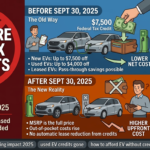
Here’s the thing nobody tells you upfront — that price difference isn’t the full story. Some provinces and cities have started rolling back EV import duty exemptions, while others are extending them. So the “real” price swings depending on where you live and when you buy. I’d genuinely recommend calling two or three dealers directly rather than trusting the price you see online, because incentives change month to month.
Setting up home charging — my actual experience
This is where I made my first real mistake in the planning process. I assumed I could just plug an EV into a regular wall socket and call it a day. Technically, yes, you can — but it’s painfully slow. We’re talking 8-10 hours for a meaningful charge using a standard household socket, and that’s if your home wiring can even handle the sustained load safely.
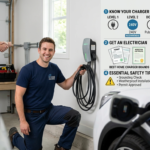
A proper Level 2 home charger setup involves:
- An electrician assessing your home’s electrical panel capacity
- Installing a dedicated circuit (often 32A or higher)
- Mounting the charging unit itself, usually in the garage or carport
- Getting it inspected if your local regulations require that
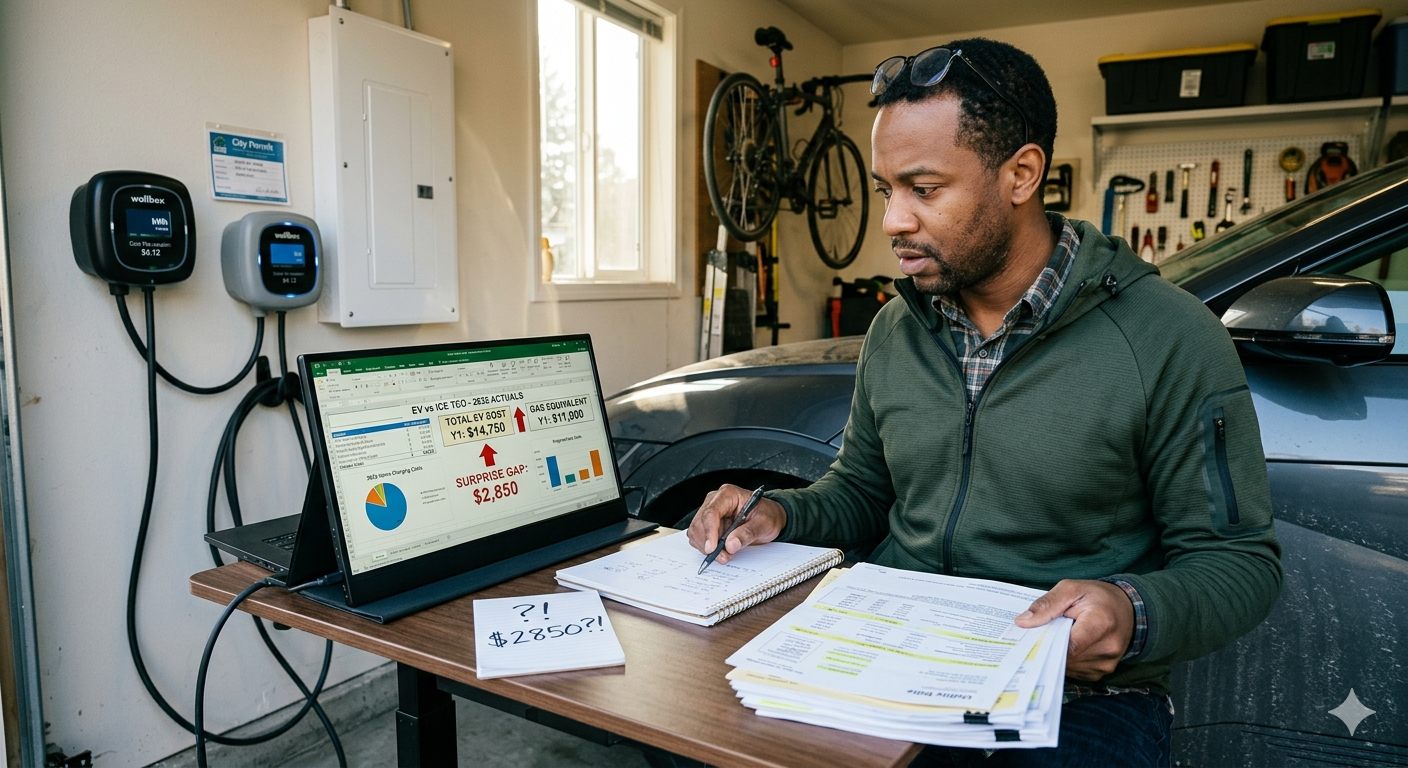
When I got quotes for this, the charger unit itself ranged from roughly 80,000 to 150,000 rupees depending on the brand, and installation labor added another 20,000 to 40,000 on top of that. So budget somewhere around 100,000-190,000 rupees just for proper home charging, and that’s before you’ve driven a single kilometer.
A friend who already made the switch told me his electrician found his home panel was outdated and needed an upgrade first — that added almost another 30,000 to his bill. Lesson learned: get your panel checked BEFORE you commit to a charger purchase, not after.
The running costs — this is where it gets interesting
Okay, here’s where the numbers actually started surprising me, in a good way.
I worked out my average monthly driving distance — about 1,200 km — and compared the electricity cost of charging at home versus what I currently spend on petrol.
With current electricity rates, charging an EV with roughly a 40-50 kWh battery for that distance worked out to somewhere between 4,500 and 7,000 rupees a month, depending on the time of day I charge and which electricity slab I land in. Compare that to my 15,000-18,000 rupee petrol bill, and that’s a genuine saving of around 8,000-12,000 rupees every single month.
But — and this is important — if you’re charging during peak hours on a higher electricity slab, that saving shrinks significantly. I learned that most EV owners I talked to charge overnight specifically to avoid peak rates. Some even use apps like the EV’s companion app (most major brands have one) to schedule charging to start at midnight or whenever off-peak rates kick in.
Maintenance — fewer surprises, fewer trips to the mechanic
This part was almost boring, which is a good thing. No oil changes. No spark plugs. No timing belt replacements down the road. Brake pads actually last longer too, because regenerative braking does a lot of the work for you.
The mechanic I usually go to for servicing told me EVs mostly need tire rotations, brake fluid checks, and occasional cabin filter replacements. He estimated annual maintenance costs at roughly half of what I currently pay for my petrol car’s servicing.
The one thing that gave me pause — battery health. Most manufacturers offer 8-year warranties on the battery pack, which is reassuring, but replacing a battery outside of warranty is genuinely expensive, often costing more than what some used petrol cars are worth. It’s a real cost, just one that (hopefully) you won’t face for a long time if the warranty holds up.
Insurance — the quiet cost nobody talks about
I almost skipped this in my calculations, but insurance for EVs in my area came in noticeably higher than my current petrol car — somewhere around 20-30% more annually. Part of this is because repair costs for EVs (especially battery-related repairs) are higher, so insurers price that risk in.
If you’re budgeting, don’t forget to get an actual insurance quote for the specific EV model you’re considering, because this number varies a lot between models and insurers.
My actual step-by-step process for calculating your own numbers
If you want to do this for yourself, here’s roughly what I did:
- Pull up your last 3-6 months of fuel receipts and average out your monthly spend
- Call 2-3 dealers for the EV model you’re interested in and ask for the out-the-door price including any current incentives
- Get a home charger quote — and ask the electrician to check your panel capacity first
- Find your local electricity rates, including off-peak/peak slabs if they exist
- Estimate your monthly driving distance and calculate charging cost based on the car’s efficiency (kWh per 100km, listed in the spec sheet)
- Get an insurance quote for the specific model
- Ask a mechanic or EV owner about realistic annual maintenance costs
Put all of this side by side against your current car’s costs over, say, a 5-year period. That’s when the real picture shows up.
Mistakes I made along the way
I initially compared only the sticker prices, which made the EV look hopeless. Once I factored in fuel and maintenance savings over 5 years, the gap closed a lot — though it didn’t fully disappear in my case.
I also forgot to account for charger installation costs in my first pass, which threw off my “break-even point” calculation by almost a year.
And I underestimated how much electricity slabs matter. If your area has tiered pricing and you’re already in a high-usage household, adding EV charging can push you into a more expensive tier for your ENTIRE electricity bill, not just the charging portion.
So, is it worth it?
For my situation — moderate daily driving, ability to charge overnight, and a home that could handle the electrical upgrade without major surgery — the math worked out to roughly break-even around the 4-5 year mark, after which the EV genuinely starts saving money compared to sticking with petrol.
If you do a lot of long-distance driving and rely on public charging stations regularly, your numbers will look different — public charging tends to cost more per kWh than home charging, sometimes significantly more.
My honest takeaway: don’t trust generic online calculators that use national averages. Pull your own fuel receipts, get real local quotes, and run the numbers for your actual life. It took me an afternoon, and it gave me way more confidence than any YouTube review ever did.