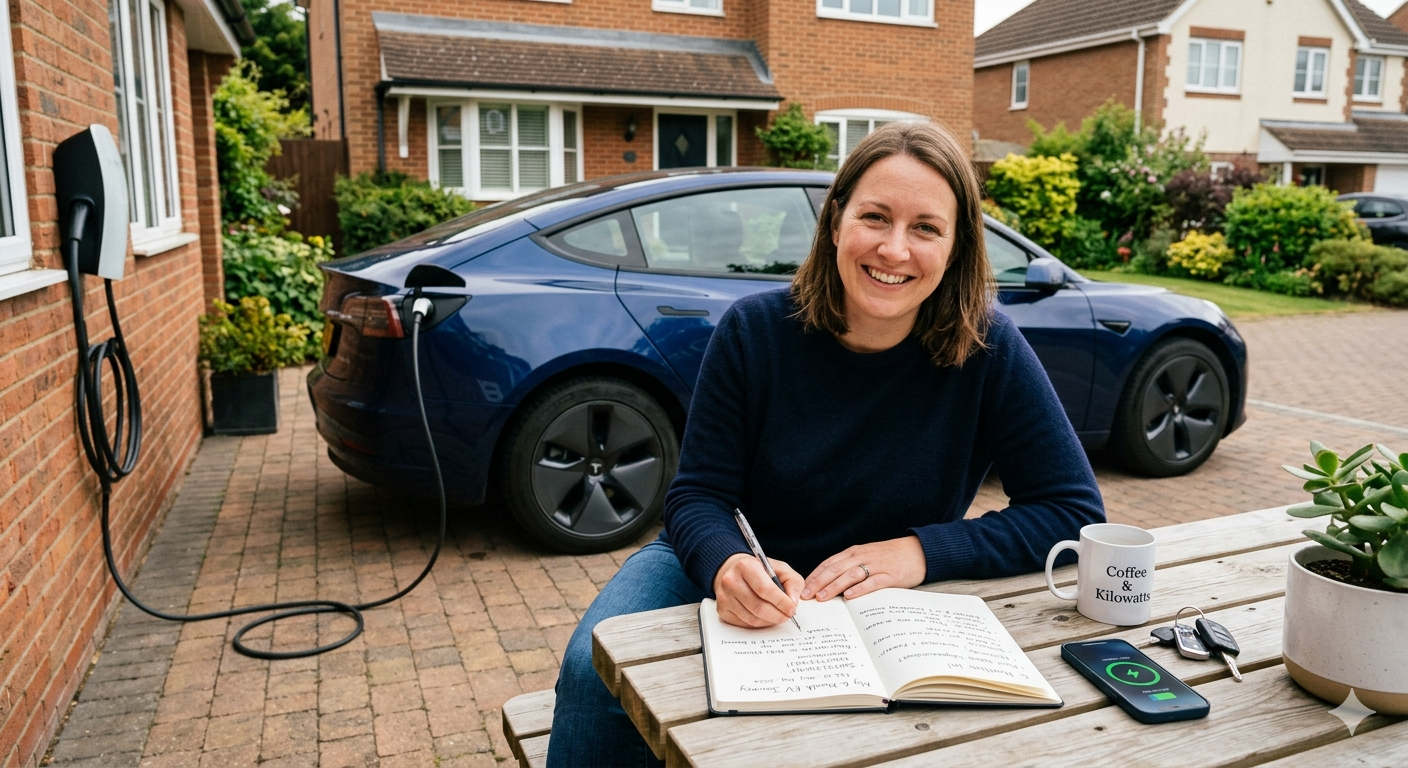



I had a conversation with my dad a few weeks ago that stuck with me. He’s not a car guy, not into tech, doesn’t follow industry news. He just casually mentioned, “Have you noticed how many of those electric cars are around now? Feels like every fourth car is one of those.” I laughed it off at first — and then I actually looked up the numbers, and it turns out my dad, completely by accident, was almost exactly right.
That’s the moment this stopped feeling like an “EV enthusiast” topic to me and started feeling like a “this affects everyone now” topic.
The number that changes everything: one in four
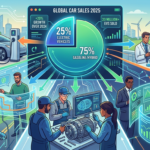
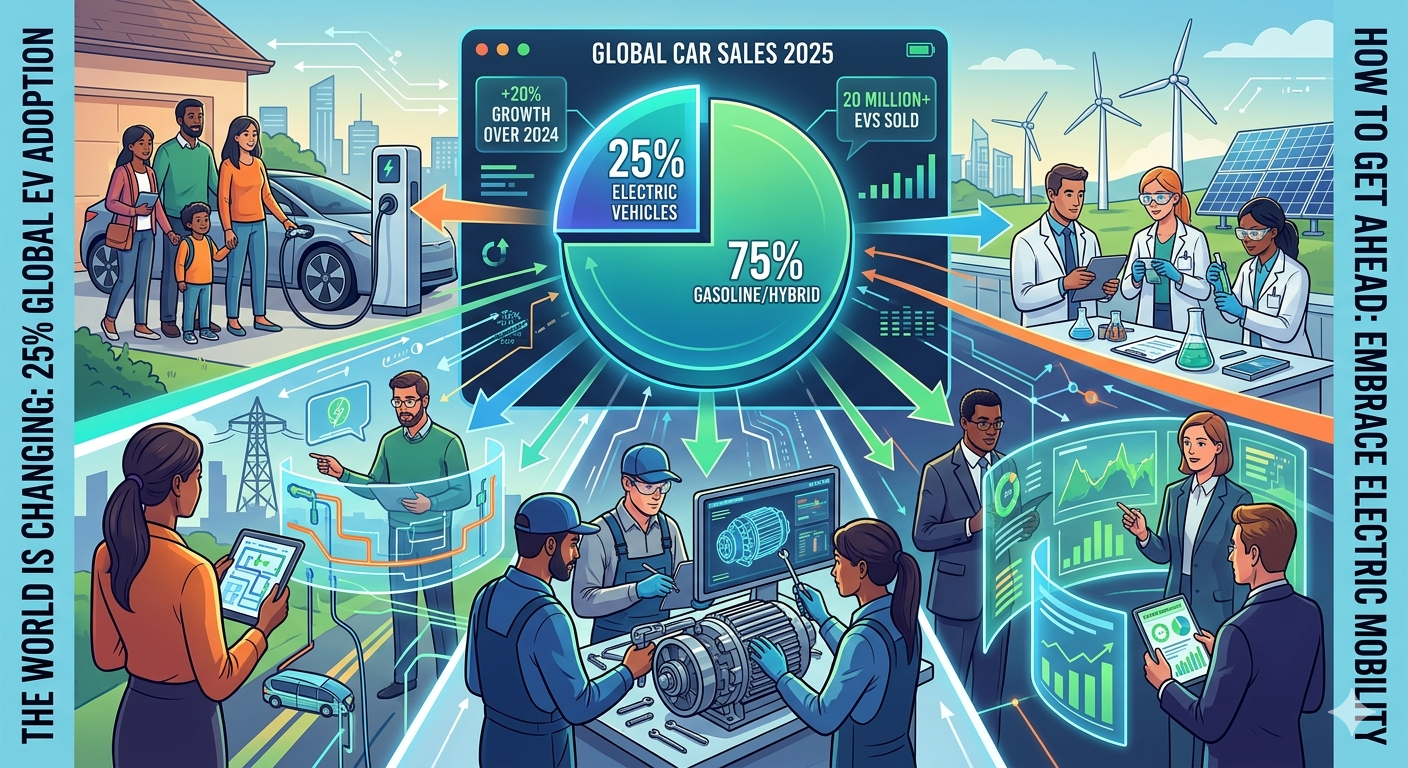
Here’s the headline figure, and it’s worth sitting with for a second. The electric car market grew 20% from 2024 to exceed 20 million sales in 2025, and the sales share of electric cars in the overall car market increased to 25%. That means one in every four new cars sold globally in 2025 was electric.
This isn’t a one-year blip either. 2025 marked the fifth consecutive year in which annual electric car sales increased by about 3.5 million units, a trend that started in 2021 after the pandemic. That’s five straight years of remarkably consistent, large-scale growth — the kind of pattern that doesn’t usually reverse on its own.
And it’s not slowing down. Global electric car sales are expected to grow to 23 million in 2026, representing 28% of total car sales — meaning Europe alone is on track for one in three cars sold being electric.
But here’s the part that really matters — this isn’t happening evenly
If you only follow US auto news, you might have a completely different impression of where things stand. And that’s exactly the point of this article — the global shift and your local experience might look nothing alike.
US EV sales actually fell 4% in 2025 after federal tax credits were scrapped, and only 1.8 million EVs were sold in the US for the year — the first multi-year growth streak to snap. Meanwhile, Europe posted the strongest growth of any major market, with electric car sales jumping more than 30% and EVs now accounting for 28% of all new car sales across the region.
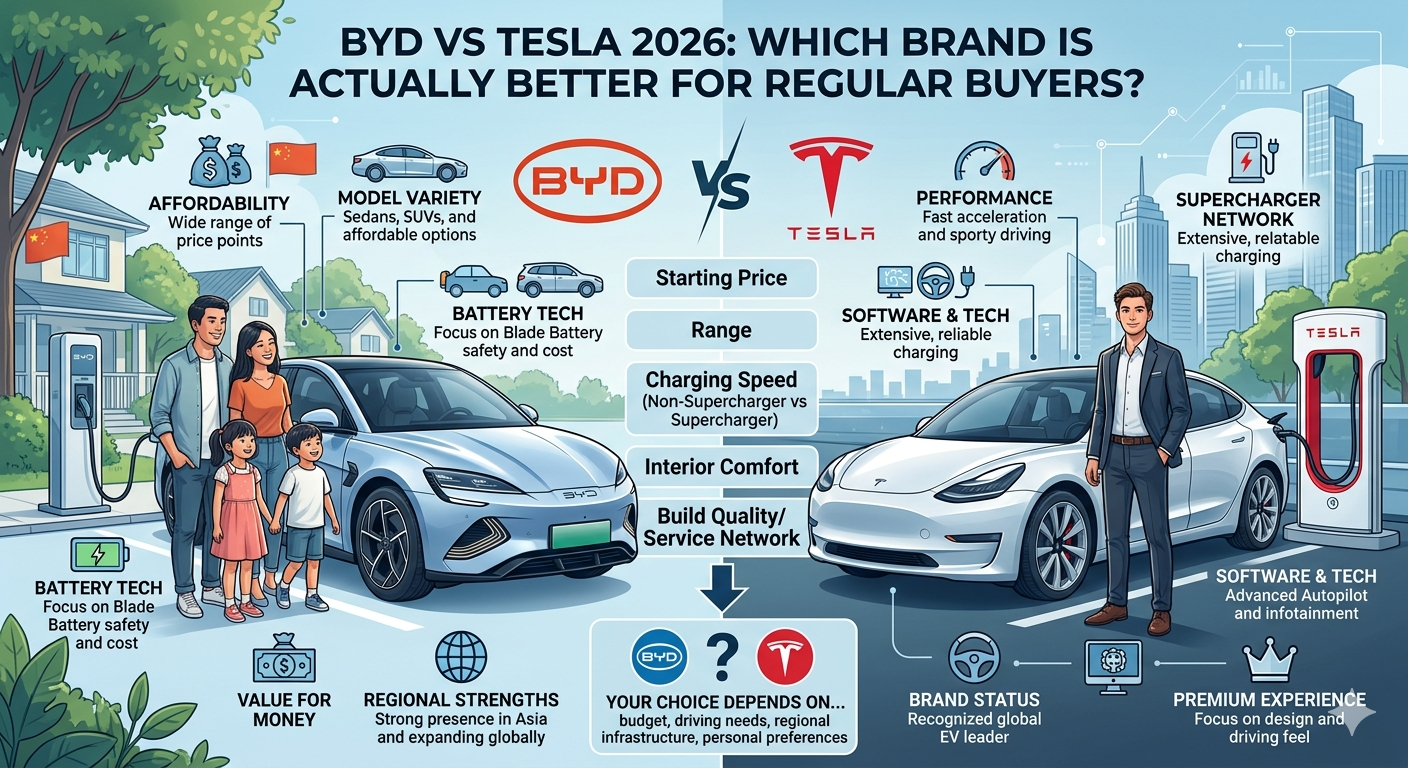
China remains the engine of all of this. BYD alone captured 27% of China’s NEV market with 3.5 million registrations, while Geely nearly doubled its EV sales to secure a 12.4% share. And in 2026, Chinese EV sales are projected to reach almost 60% of total car sales — meaning in China, gasoline cars are becoming the minority option, not the default.
The emerging markets story is the one nobody saw coming
This is genuinely the part that surprised me most, and I think it’s the part most people haven’t heard about at all.
EV sales in Southeast Asia more than doubled in 2025, reaching nearly 20% market share, with Thailand, Indonesia, and Vietnam rapidly scaling adoption thanks to affordable Chinese imports and expanding government incentives. In Thailand specifically, EV prices have been on par with gasoline-powered vehicles for two straight years now — which completely upends the old assumption that EVs are a “wealthy country” technology.
Latin America saw EV sales surge 75% in 2025, led by Brazil and Mexico. And looking further ahead, Vietnam’s strong domestic manufacturing and aggressive adoption targets could push its EV market share above 80% by 2035.
These markets are actively disproving the long-standing assumption that EVs are too expensive for developing economies — and a big part of why is the next point.
Why this is happening now — it’s mostly about Chinese exports
There’s a supply-side story here that explains a lot of the demand-side numbers. China now accounts for nearly 75% of all electric cars produced globally, with almost 22 million EVs produced worldwide in 2025 — a more than 25% increase from the previous year.
But here’s the key shift: intense domestic competition in China is squeezing manufacturer profit margins, pushing companies to seek higher profits overseas — and Chinese electric car exports doubled to a record 2.5 million units in 2025. More than 35% of China’s total car exports in 2025 were EVs, up from just 20% the year before.
BYD specifically more than doubled its EV exports, going from 0.4 million units in 2024 to over 1 million in 2025 — and these export flows were a major driver of EV growth across South America, Southeast Asia, and Central Asia.
In plain terms: Chinese manufacturers built more EVs than their home market could absorb, so those cars are flooding into markets around the world at increasingly competitive prices. If you’re in one of those markets, this is likely already affecting what’s available to you, even if you haven’t noticed it yet.
What this actually means for you, depending on where you are
If you’re in the US: You’re currently in the global outlier market. EV sales are declining here while they’re surging almost everywhere else, largely due to the tax credit changes. This might tempt you to think “EVs are losing momentum” — but zoom out, and that’s clearly not the global story. If anything, the rest of the world moving faster while the US slows could eventually mean more imported EV technology and more competitive pricing pressure on US manufacturers down the line, even if domestic policy doesn’t change.
If you’re in Europe: You’re in the fastest-growing major market, and with one in three cars expected to be electric in 2026, the infrastructure, service networks, and used-EV market are all going to mature faster around you than almost anywhere else. This is probably the best time to be EV-curious in Europe specifically — competition between European, American, and Chinese brands is intensifying, which generally means better pricing and more options for buyers.
If you’re in Southeast Asia, Latin America, or another emerging market: You’re part of the most underreported growth story in this entire shift. Affordable Chinese EVs are arriving in your market faster than most people realize, and price parity with gasoline cars — something that seemed impossible just a few years ago — is already a reality in some countries. If you’ve been waiting for EVs to become “actually affordable” before considering one, that moment may have already arrived where you live, even if local media hasn’t caught up to it yet.
If you’re anywhere and thinking about resale value: As EV market share climbs from 20% to 25% to (projected) 28% in just a couple of years, the used EV market is going to expand rapidly too. More EVs being sold now means more used EVs entering the market in 3-5 years — which affects both what you can buy used and what your current car (electric or not) will be worth when you go to sell it.
The “getting ahead of it” part — what I’d actually do with this information
I don’t think this data means “everyone should rush out and buy an EV tomorrow.” But I do think it means a few things are worth paying attention to:
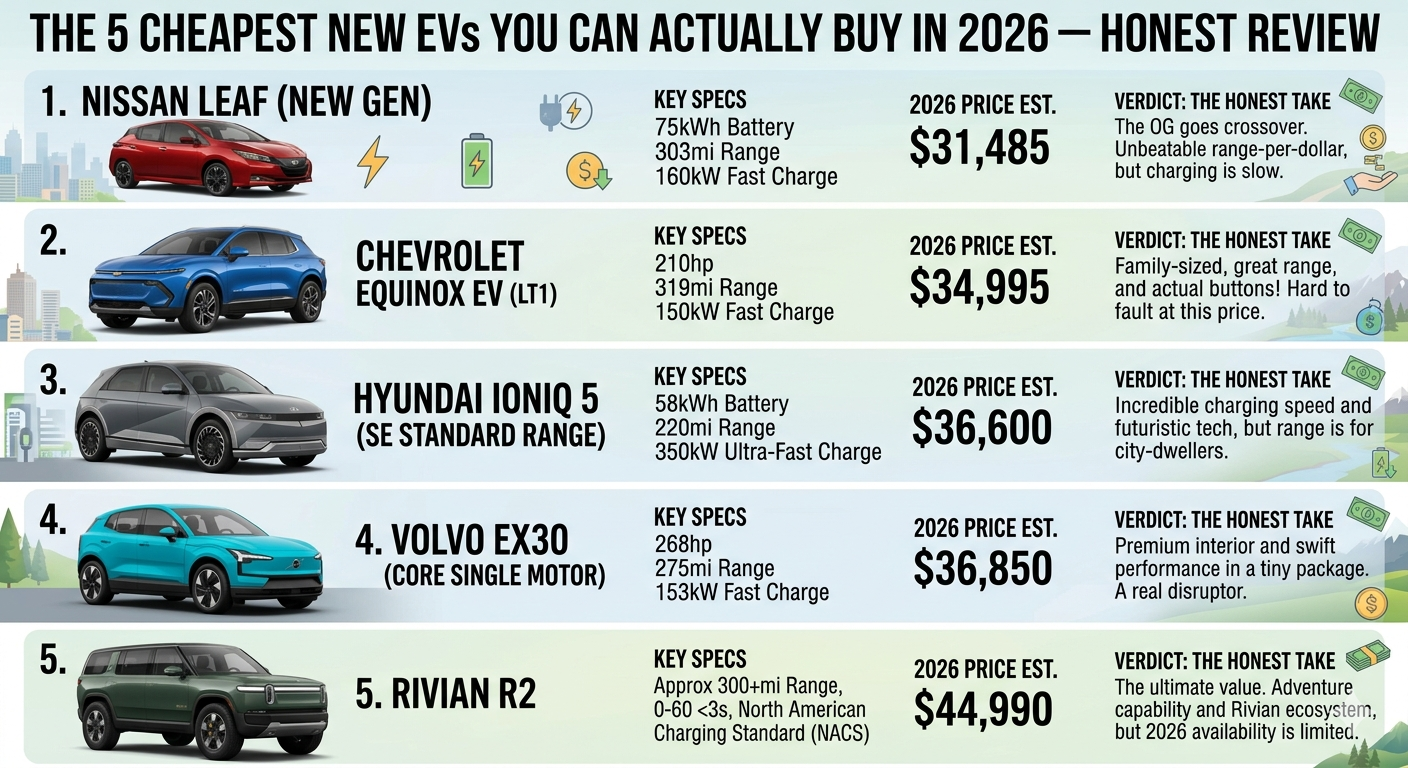
If you’re planning a car purchase in the next 1-2 years, it’s worth checking what’s actually available in your specific market right now, because the answer might be different than it was even a year ago — especially if you’re in a region benefiting from the export wave.
If you’re holding off because you assumed EVs were still a “wealthy market” thing, that assumption may already be outdated depending on where you live. The price parity happening in places like Thailand suggests this gap is closing faster than most people expect.
If you’re thinking about this from a “should I worry about my current gas car’s value” angle, the answer is probably “not urgently, but keep an eye on it” — a 25% global share doesn’t mean gas cars become worthless overnight, but the trajectory is clear enough that it’s worth factoring into longer-term planning.
My honest take
What strikes me most about this 25% figure isn’t the number itself — it’s how unevenly distributed the story is, and how that unevenness means a LOT of people are forming opinions about “where EVs are” based on their local market, which might be wildly different from the global trend.
My dad’s offhand comment about “every fourth car” turned out to be more accurate as a global statistic than as a description of his actual neighborhood — but give it a few years, and based on these numbers, it might become accurate everywhere. The shift isn’t coming. Depending on where you live, it’s either already here, or it’s arriving faster than the conversation around you suggests.