
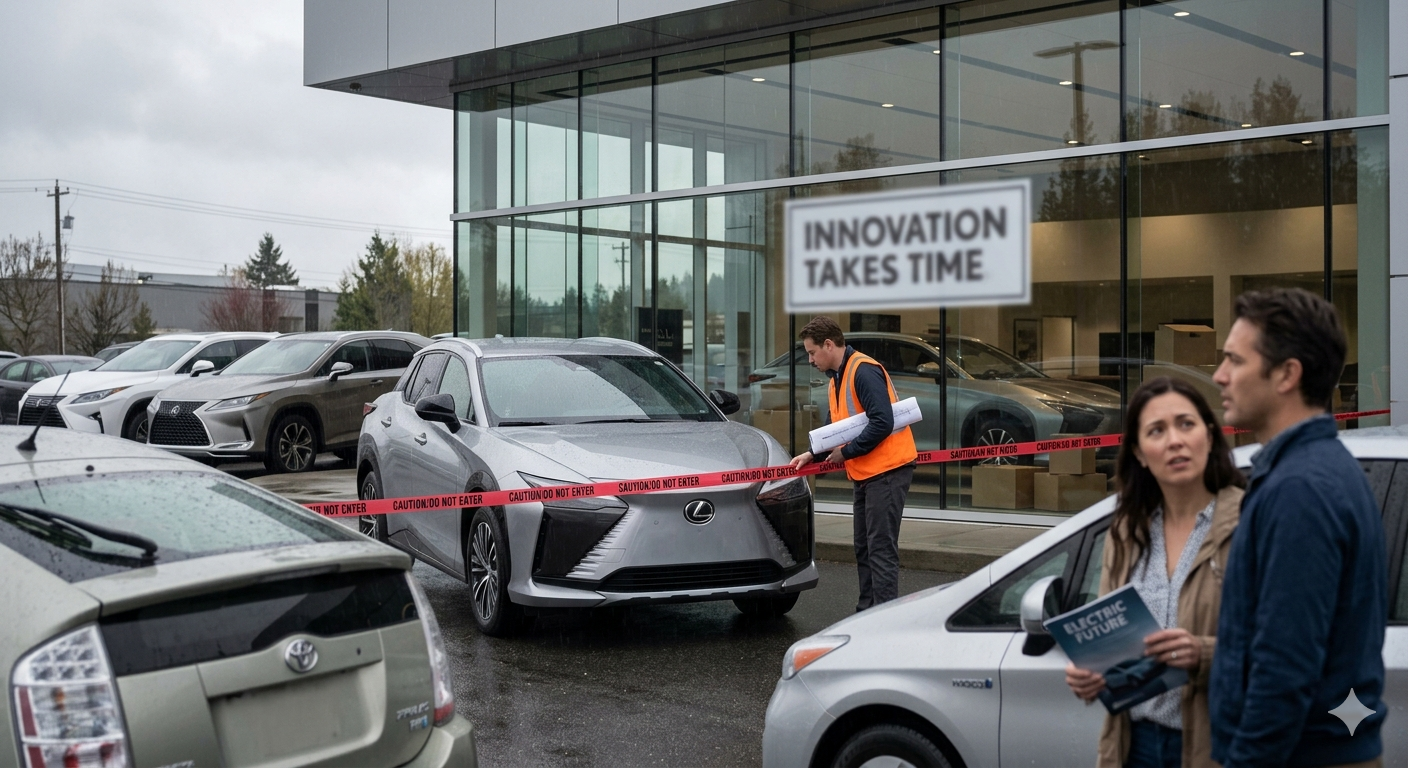
I remember when the Lexus LF-ZC concept debuted at the 2023 Japan Mobility Show. It was genuinely stunning — a low-slung electric sedan with a promised 600-mile range, gigacasting manufacturing borrowed from Tesla’s playbook, ultra-fast charging, and an AI-powered “Intelligent Cockpit” that was supposed to learn your driving habits like a personal assistant. Lexus called it a glimpse at the future of luxury EVs.
Less than three years later, Toyota quietly pulled the plug on it.
No fanfare. No press conference. Nikkei broke the story on May 29, 2026, and Toyota confirmed it with a terse statement about “reassessing EV demand and profitability targets.” For a concept that was supposed to launch in mid-2027 and anchor Lexus’s entire electric future, the cancellation landed like a dropped call — abrupt, mid-sentence, and leaving a lot of people saying “wait, what just happened?”
So let me break this down plainly, because there’s a lot of spin flying around this story.
What Exactly Was the LF-ZC?
The Lexus LF-ZC (the “ZC” stood for “Zero Carbon”) was supposed to be Lexus’s flagship electric sedan. When Toyota unveiled it in Tokyo, it was framed as a showcase for everything the company had been quietly developing in the background: a next-generation EV platform built from scratch, gigacasting body construction to cut manufacturing costs, prismatic batteries promising roughly twice the range of existing EVs, and a software system called Arene OS running the whole experience.
It was, in other words, Toyota’s answer to the Tesla Model S — a statement car designed to prove that the world’s largest automaker could do premium EVs on its own terms.
The original plan was a 2026 launch. That slipped to mid-2027. Now it’s been shelved entirely, with Toyota saying it will “explore introducing a next-generation EV again” at some unspecified future date. The technology developed for the LF-ZC — the gigacasting, the batteries, the charging improvements — will reportedly be carried over to other vehicles. But the LF-ZC itself is gone, at least for now.
Why Did Toyota Kill It?
Toyota cited two things publicly: weak demand and the elimination of US subsidies. Let me unpack both.
On subsidies: The $7,500 federal EV tax credit expired in September 2025, which hit new EV sales hard across the board — particularly at the higher end of the market. A luxury Lexus EV was always going to be expensive. Without federal help to soften the sticker shock, Toyota’s internal math on profitability apparently didn’t hold up.
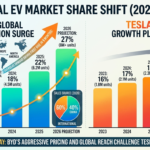
On demand: This is where it gets more nuanced. Global EV sales are actually still growing — so “global EV slump” is a bit of an overstatement. What Toyota is really pointing to is a specific softness in the luxury electric sedan segment. SUVs and crossovers are dominating EV adoption everywhere right now. Low-slung sporty sedans — even beautiful, technologically advanced ones — are a harder sell. Consumer search data backs this up: queries for “electric SUV” consistently dwarf searches for “electric sedan” by a wide margin.
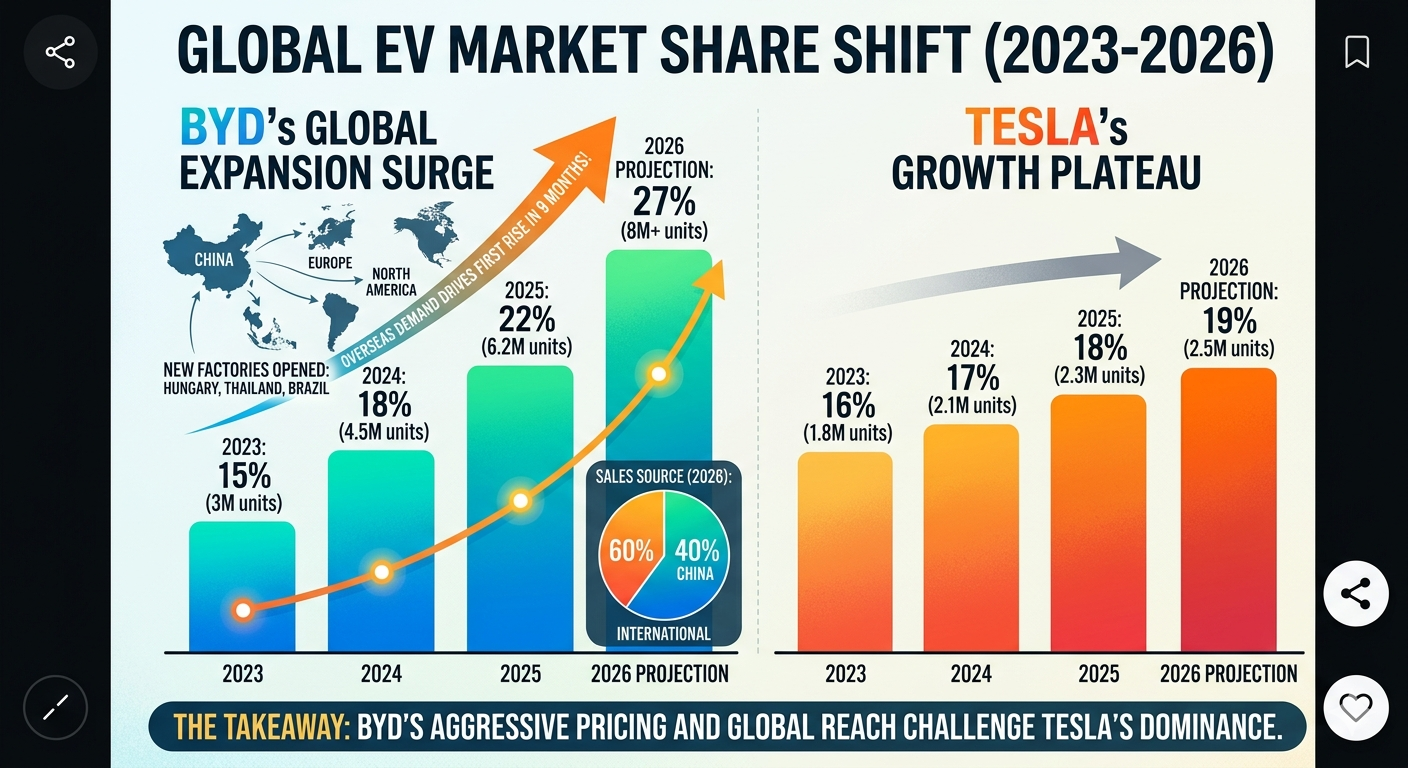
There’s also a broader story here about Toyota’s own EV targets quietly shrinking. The company once pledged to sell 1.5 million EVs annually by 2026. That number was revised down to 800,000 — roughly half — as the market reality set in. When your internal targets are already being walked back, cutting a costly flagship development project starts to make financial sense, even if it’s embarrassing from a PR standpoint.
But Wait — Isn’t Toyota’s EV Business Actually Doing Well Right Now?
Here’s the part of the story most headlines are skipping, and it genuinely matters for how you read this news.
While Lexus is canceling its next-gen sedan, Toyota’s actual EV sales are surging. The updated bZ4X — now sold as simply the “Toyota bZ” in the US — became the third best-selling EV in America in Q1 2026, selling over 10,000 units in just three months. That’s more than Ford’s entire EV lineup combined. It outsold the Chevy Equinox EV, the Hyundai IONIQ 5, and a bunch of other well-regarded competitors.
In Japan, the bZ4X actually became the top-selling domestic EV for the first time. In Australia, Toyota expects EV sales to jump nearly fivefold this year. Globally, the refreshed bZ ranked ninth among the world’s best-selling EVs in February 2026, sitting ahead of the BYD Dolphin and Volkswagen ID.4.
So Toyota isn’t abandoning EVs. Far from it. The company has three electric SUVs on sale in the US right now — the bZ, the C-HR, and the bZ Woodland — with a three-row electric Highlander BEV coming later this year. They’re also still developing solid-state batteries, which remain one of the most anticipated potential breakthroughs in EV technology.
What they’re doing is reorganizing — cutting what doesn’t work (a luxury electric sedan in a market that doesn’t want luxury electric sedans right now) and doubling down on what does (electric SUVs and crossovers that people are actually buying).
So What Does This Mean for EV Buyers?
This is the question that actually matters, so let me be direct about it.
If you were waiting specifically for the Lexus LF-ZC: That car isn’t coming anytime soon. If you’re in the market for a luxury electric sedan, your realistic options right now are the BMW i4, Mercedes EQE, Tesla Model S, or the Polestar 2. The Lexus angle is off the table for the foreseeable future.
If you’re a Lexus fan who wanted to go electric: Lexus still sells the RZ 450e, a fully electric SUV that’s available now. It’s not as cutting-edge as the LF-ZC would have been, but it’s a real car you can actually buy. The cancellation of one future model doesn’t mean Lexus is exiting the EV space.
If you’re a Toyota buyer more generally: The picture is actually pretty good. The bZ lineup is genuinely solid right now and selling well. The three-row Highlander BEV is coming. Toyota’s hybrid and plug-in hybrid lineup remains the strongest in the industry. You have more options from this brand than you did two years ago, not fewer.
If this story is making you nervous about EV reliability broadly: Don’t let one canceled concept car shake your confidence in the segment. Toyota canceling a future model because the sedan segment is soft is not a signal that EVs are failing. It’s a signal that sedans are failing — which, frankly, has been true in the gas car market for years too. SUVs won that battle a while ago.
The Bigger Pattern Here
Toyota isn’t the only automaker doing this kind of reshuffling. Several manufacturers pulled planned EV models in late 2025 and early 2026, partly because of the federal tax credit expiration and partly because the post-2022 EV surge cooled off faster than the industry expected.
But there’s a difference between “pulling back temporarily to reassess” and “giving up on EVs.” Toyota falls firmly in the first camp. The technology they developed for the LF-ZC isn’t being thrown in the trash — it’s being redirected. Gigacasting will show up in future vehicles. Battery improvements will find their way into upcoming models. The LF-ZC was essentially an expensive test bed, and Toyota learned what it needed to from it before the market told them the product didn’t fit.
Toyota’s broader history is actually relevant here. Remember when critics spent years mocking Toyota for being “behind” on EVs while it focused on hybrids? The Prius was dismissed as a compromise. Then suddenly hybrids became the smart hedge, hybrid sales exploded, and Toyota looked prescient. The company has consistently played a longer game than its competitors — sometimes frustratingly so — and then arrived at the right answer eventually.
I’m not saying the LF-ZC cancellation is secretly brilliant. It’s a genuine stumble, and it gives Tesla and the Hyundai-Kia group more breathing room in the luxury EV sedan space. But betting against Toyota’s long-term ability to figure out the EV market feels like a risky position based on their track record.
What Should You Actually Do With This Information?
If you’re shopping for a car right now, here’s the practical takeaway:
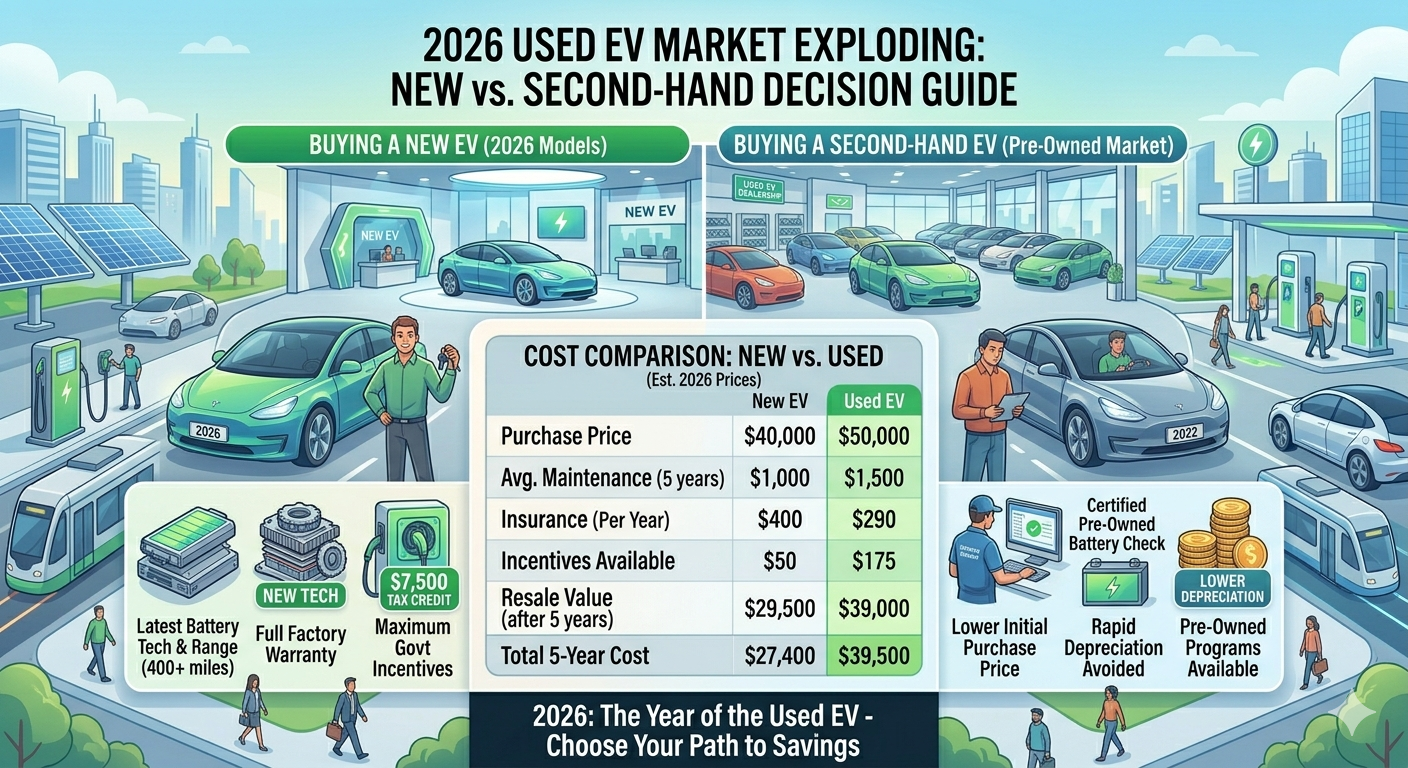
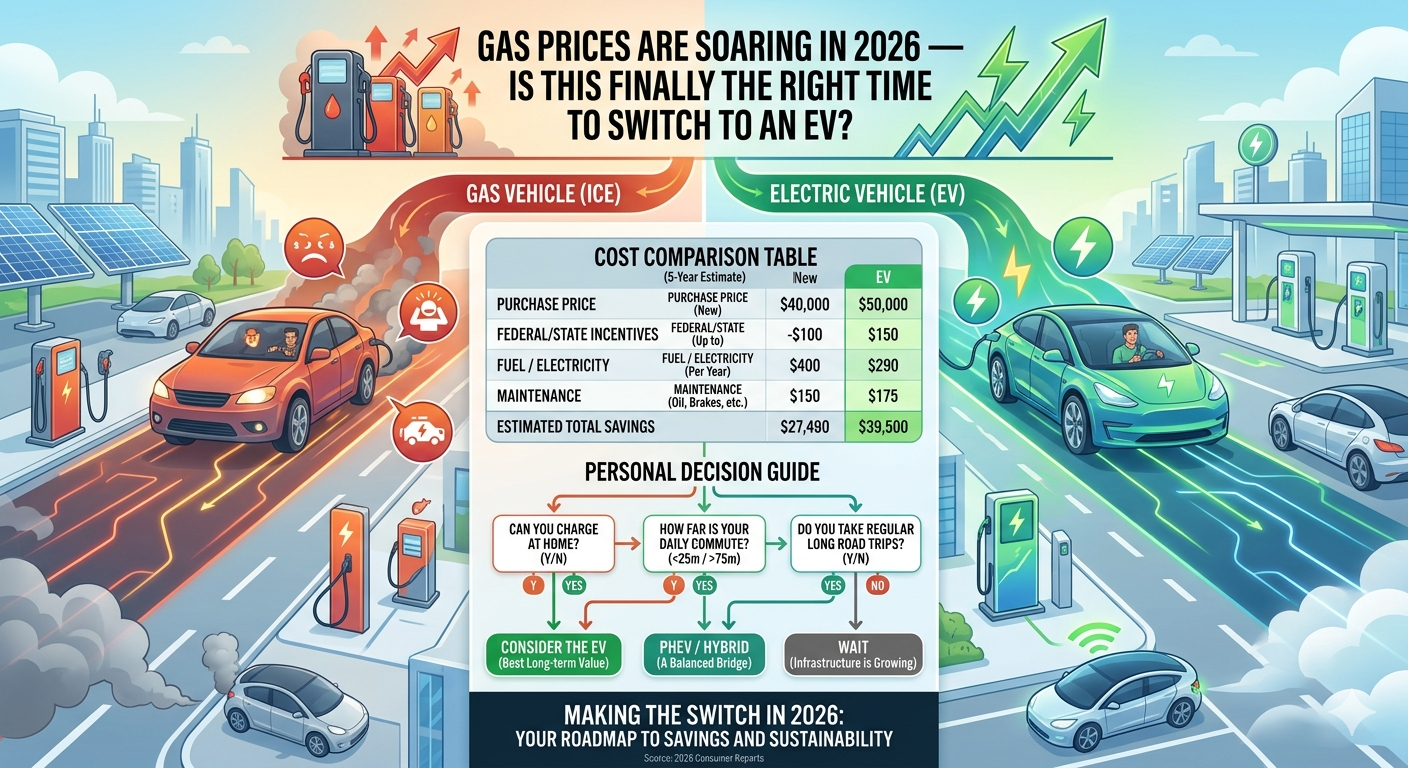
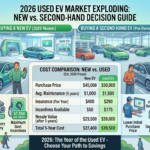
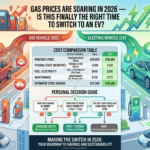
The cancellation of the LF-ZC narrows your luxury EV sedan options, but it doesn’t change the math on the broader EV market. Gas is still above $4 a gallon. Used EVs are still flooding the market at historically low prices. The Toyota bZ, Hyundai IONIQ 5, Tesla Model Y, and Chevy Equinox EV are all real, available, well-reviewed cars you can buy today.
One canceled concept — even a gorgeous, tech-loaded concept that a lot of us were genuinely excited about — doesn’t move those fundamentals.
If anything, the story of the LF-ZC is a reminder of something the auto industry keeps relearning: it doesn’t matter how impressive your concept car looks at a Tokyo Motor Show if the market has moved somewhere else by the time you’re ready to sell it.
Toyota knows this now. Their SUV lineup reflects it. And buyers who are paying attention should take note of where the real action is — because right now, it’s decidedly not in electric sedans.
Sources: Nikkei Asia (May 29, 2026), Bloomberg (May 29, 2026), Electrek (May 29, 2026 and April 8, 2026), CBT News, Cox Automotive Q1 2026 data, CleanTechnica global EV rankings (February 2026).